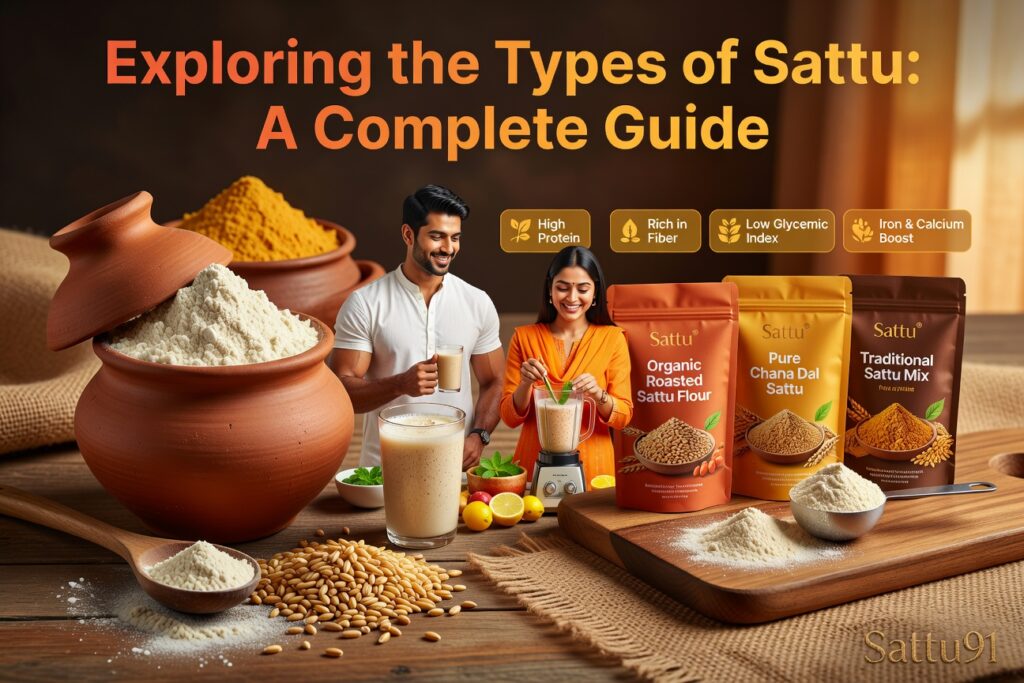
Sattu, a traditional Indian food, is made from roasted gram flour, primarily derived from chickpeas or black chickpeas (kala chana). It holds a special place in the culinary heritage of North India, particularly in Bihar, Uttar Pradesh, and Jharkhand. This versatile ingredient is not only delicious but also packed with numerous health benefits, making it a staple in many households.
Rich in nutrients, sattu offers a host of health benefits:
Sattu is not just about protein and fiber; it also contains vital vitamins and minerals, including:
Sattu is incredibly versatile and can be used in various culinary applications:
One of the most popular ways to consume sattu is by preparing a refreshing drink. Here’s a simple recipe:
Mix all the ingredients well and enjoy a nutritious drink!
Sattu can also be used as a stuffing for parathas, making for a wholesome breakfast option:
For a healthy dessert, try making sattu ladoos:
When it comes to choosing the right flour for your diet, many people often wonder how sattu stacks up against other options like wheat flour (atta).
For a detailed comparison, check out our article on Sattu vs. Atta: Which Is Better for Your Health?
If you’re looking to manage your weight, sattu can be a valuable addition to your diet.
Learn more about how to use sattu for healthy weight gain in our article on How to Use Sattu Powder for Healthy Weight Gain.
Here are some tips to easily incorporate sattu into your daily meals:
Yes, sattu is gluten-free as it is made from roasted gram flour, making it suitable for those with gluten intolerance.
Absolutely! Sattu has a low glycemic index, which makes it a suitable option for diabetic individuals.
Store sattu in an airtight container in a cool, dry place. It can last for several months if kept away from moisture.
Yes, sattu can be mixed with other flours in baking recipes to enhance the nutritional profile of your baked goods.
Yes, sattu is nutritious and can be safely included in children’s diets, but it’s best to consult a pediatrician for specific dietary advice.
Sattu is an incredibly nutritious and versatile ingredient that can enhance your diet in numerous ways. From its rich protein content to its numerous health benefits, it’s time to embrace this traditional superfood. Explore the world of sattu and discover its myriad uses on Sattu91.