
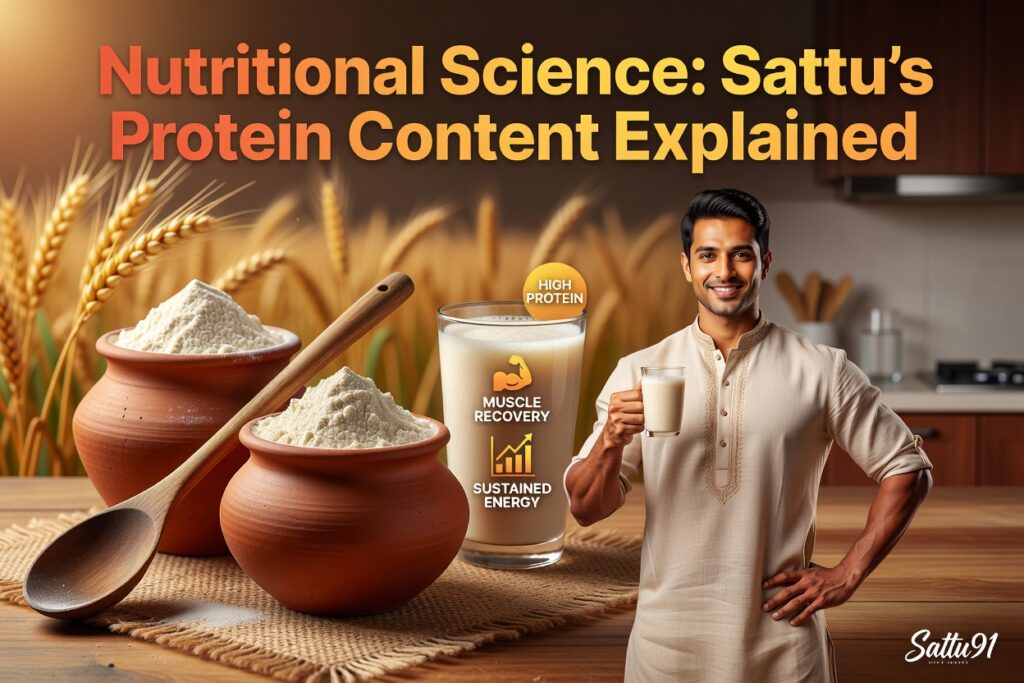
Sattu, a traditional flour made from roasted black chana, has its roots deeply embedded in the culinary practices of Bihar, Uttar Pradesh, and Jharkhand. Over the years, this humble ingredient has gained recognition not just for its versatility in dishes like litti chokha and sattu paratha, but also for its impressive nutritional profile. As modern nutrition science reveals its rich benefits, sattu has become a staple for many health-conscious individuals seeking optimal nourishment.
Sattu is produced by roasting black chana (chickpeas) and grinding them into fine flour. This age-old process not only enhances the flavor but also boosts its nutritional value, making it a powerhouse of essential nutrients. Here’s a quick nutritional snapshot of sattu:
| Nutrient | Per 100g of Sattu |
|---|---|
| Protein | ~20-22g |
| Carbohydrates | ~55-60g |
| Dietary Fiber | ~7-8g |
| Fat | ~5-6g |
| Iron | ~3-4mg |
| Calcium | ~50mg |
Sattu contains approximately 20-22 grams of protein per 100 grams, making it an excellent plant-based protein source. For vegetarians and vegans in India, this is particularly beneficial as it offers a complete amino acid profile essential for muscle repair and growth, especially for farmers and athletes who rely on protein to fuel their demanding lifestyles.
With its high protein and fiber content, sattu is ideal for those seeking to manage their weight. It promotes satiety and reduces hunger pangs, making it an excellent addition to the diets of weight-watchers. Incorporating sattu in meals can help maintain a balanced diet while keeping calorie intake in check.
Sattu has a low glycemic index, which helps in stabilizing blood sugar levels. This property makes it a great food choice for diabetics. Regular consumption can aid in preventing spikes in blood sugar post meals, making it a smart carbohydrate choice for individuals managing diabetes.
The dietary fiber in sattu aids in digestion and helps prevent constipation. For many Indians who experience digestive issues, incorporating sattu in their diet can promote gut health and improve overall digestion, especially when consumed in forms like sattu sharbat.
In addition to being rich in protein, sattu is a good source of iron and calcium, which are vital for maintaining healthy bones and preventing anemia. For pregnant women and children, these nutrients are crucial for growth and development, making sattu an excellent addition to their diet.
Sattu can be easily incorporated into various dishes, making it a versatile ingredient in Indian cuisine. From sattu paratha to litti chokha, or even smoothies, its culinary adaptability makes it easier to include it in daily meals, ensuring that nutritional needs are met without compromising taste.
If you’re curious about incorporating more sattu into your diet, check out our article on How to Incorporate Jowar Sattu into Your Diet.
Sattu typically contains about 20-22 grams of protein per 100 grams, making it one of the richest plant-based protein sources available.
Yes, sattu’s high protein and fiber content promote satiety, helping to control hunger and manage weight effectively.
Absolutely! Sattu has a low glycemic index, which helps stabilize blood sugar levels, making it suitable for diabetic individuals.
Sattu can be consumed in various forms, such as in sattu sharbat, parathas, or smoothies, making it a versatile addition to your diet.
With its rich protein content and multitude of health benefits, sattu is a nutritional powerhouse that deserves a place in every kitchen. Explore the wide range of sattu products available at Sattu91 and elevate your health today!
For more detailed information on the benefits of sattu, you can refer to sources such as the National Center for Biotechnology Information.