Sattu, the beloved roasted gram flour, carries with it the rich heritage of India, especially from the states of Bihar, Uttar Pradesh, and Jharkhand. Traditionally consumed for its health benefits and energy-boosting properties, modern nutrition science validates its importance, making it a staple in vegetarian diets across the country. Let’s delve into the nutritional profile and benefits of sattu and discover how it can enhance your vegetarian meals.
Sattu is made from roasted black chana (Bengal gram), which is ground into a fine flour. This ancient ingredient is not only versatile but also packed with nutrients, making it a favorite among health-conscious individuals. Sattu is often consumed in various forms, including sattu sharbat, parathas, and even as a key ingredient in traditional dishes like litti chokha.
| Nutrient | Per 100g of Sattu |
|---|---|
| Protein | ~20-22g |
| Carbohydrates | ~55-60g |
| Dietary Fiber | ~7-8g |
| Fat | ~5-6g |
| Iron | ~3-4mg |
| Calcium | ~50mg |
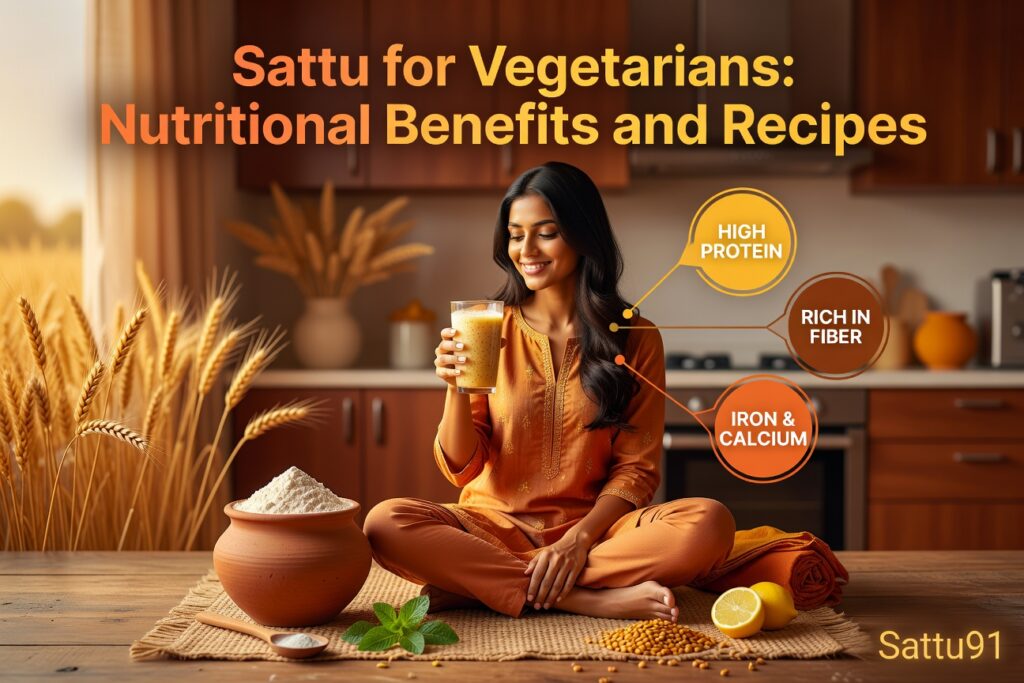
Sattu offers an impressive protein content of around 20-22g per 100g, making it an excellent choice for vegetarians. For those who lead active lifestyles, such as farmers or athletes, incorporating sattu can help meet daily protein requirements efficiently without resorting to animal sources.
With approximately 7-8g of dietary fiber per 100g, sattu supports digestive health and helps regulate blood sugar levels. This makes it particularly beneficial for diabetics and individuals looking to manage their weight, as fiber promotes a feeling of fullness and reduces appetite.
Sattu is a great source of complex carbohydrates, providing sustained energy throughout the day. This is particularly important for laborers and those engaged in physically demanding jobs, as it helps maintain stamina and productivity.
Containing essential minerals like iron and calcium, sattu aids in preventing deficiencies that are common in vegetarian diets. Iron is crucial for maintaining healthy hemoglobin levels, while calcium supports bone health, making sattu a valuable addition for pregnant women and growing children.
Incorporating sattu into meals can support weight loss efforts due to its high fiber and protein content. The satiety it provides can help control cravings and reduce overall calorie intake, making it ideal for weight-watchers.
Sattu can be easily incorporated into various dishes—from traditional sattu parathas to refreshing sattu sharbat. Its versatility allows for creative culinary applications, making healthy eating more enjoyable and sustainable.
For those looking to embrace the health benefits of sattu, it’s worth exploring Sattu Benefits: Why Sattu is Good for Health in India. This rich resource provides deeper insights into how this traditional food can enhance modern diets.
Sattu is primarily made from roasted black chana (Bengal gram) that is finely ground into flour.
Sattu can be used in various recipes, including sattu parathas, sattu sharbat, and even as a thickener in soups and curries.
Yes, sattu is high in protein and fiber, which can help in controlling appetite and supporting weight loss efforts.
Absolutely! Sattu is nutrient-dense and can be a healthy addition to children’s diets, supporting their growth and development.
With its rich nutritional profile and versatile application, sattu is an essential ingredient for vegetarians looking to enhance their diet. Explore the range of sattu products available on Sattu91 and discover delicious ways to incorporate this superfood into your meals.
For further reading, refer to this authoritative source on the nutritional benefits of legumes, which aligns with the health advantages of sattu.